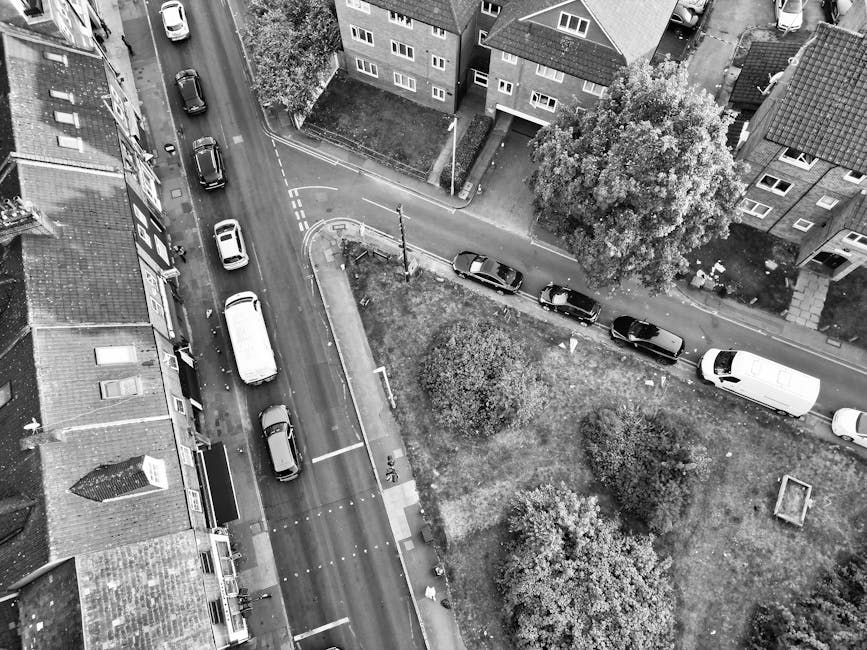
Pentonville Road Moving Guide: Narrow Streets & Parking
Moving on or near Pentonville Road can feel straightforward on paper and awkward in practice. The street is busy, the pavements are unforgiving when you are carrying boxes, and parking can disappear just when you need it most. Add delivery traffic, one-way patterns, nearby side roads, and the usual moving-day stress, and suddenly the job needs more planning than a standard house move.
This Pentonville Road moving guide: narrow streets & parking is designed to help you plan the move properly, reduce delays, and avoid the common mistakes that turn a well-organised day into a scramble. Whether you are moving from a flat, relocating a small office, or handling a same-day move with a van, the right approach starts before anyone lifts a box.
Below, you will find practical guidance on access, parking, loading, timing, equipment, and the small decisions that make a big difference on tight London streets. If you are also comparing service options, it can help to read a broader overview of local removal services alongside this guide.
Table of Contents
- Why Pentonville Road moving guide: narrow streets & parking matters
- How Pentonville Road moving guide: narrow streets & parking works
- Key benefits and practical advantages
- Who this is for and when it makes sense
- Step-by-step guidance
- Expert tips for better results
- Common mistakes to avoid
- Tools, resources and recommendations
- Law, compliance, standards, or best practice
- Options, methods, or comparison table
- Case study or real-world example
- Practical checklist
- Conclusion
- Frequently asked questions
Why Pentonville Road moving guide: narrow streets & parking Matters
Pentonville Road sits in a part of London where space is at a premium. That matters because moving a property is never just about transporting items from A to B. It is also about getting the vehicle close enough, keeping the route clear, and creating enough time to load safely without blocking traffic or walking furniture half a street.
Narrow roads create a chain reaction. If the van cannot stop near the entrance, then the crew needs more carrying distance. If the carrying distance grows, the job takes longer. If the job takes longer, loading windows become tighter and parking becomes more sensitive. One missed detail can affect the whole day.
This is especially true if you are moving from a top-floor flat, handling bulky furniture, or trying to keep a landlord, neighbour, or building manager happy. In busy urban moves, access is often the real challenge, not the lifting. That is why planning parking and loading space is not a side issue; it is the move.
If you are decluttering before the move, a practical read like starting with decluttering before moving day can reduce the volume you need to carry through tight access points.
Expert summary: On roads like Pentonville Road, the quickest move is usually the one that is planned around access first and packing second.
How Pentonville Road moving guide: narrow streets & parking Works
The basic logic is simple: the move works best when you treat the street as part of the job site. That means thinking about where the van can stop, how long it can stay there, whether the route is blocked by parked vehicles, and how much time is needed for each stage of the load.
In practice, a good plan usually includes five parts:
- Checking vehicle access so the van size suits the road and property entrance.
- Confirming parking options close to the building, including temporary loading bays or legal stopping points where available.
- Mapping the carry route from the door to the van, noting steps, tight corners, or low railings.
- Scheduling around traffic so loading happens when the street is less congested.
- Breaking the move into zones so the heaviest or most awkward items are not left until the end.
If you are using a van-based service, you will also want to think about whether a smaller vehicle is actually more effective than a larger one. A bigger van sounds efficient, but on narrow streets it can be the wrong tool if it prevents easy stopping. In urban moves, fit often matters more than capacity.
For furniture-heavy moves, a dedicated page such as furniture removals in Pentonville can be useful because it focuses attention on awkward items, doorway clearance, and safe handling rather than just transport.
Key Benefits and Practical Advantages
Planning for narrow streets and parking is not just about avoiding headaches. Done properly, it creates a smoother, safer move with fewer surprises.
- Less walking distance: the closer the van can legally and safely stop, the faster the load process.
- Lower damage risk: shorter carries mean fewer opportunities to chip walls, scuff banisters, or drop items on curbs.
- Better timing: a sensible loading plan reduces the chance of overrunning your slot or blocking access for others.
- Improved safety: fewer awkward turns, less fatigue, and lower risk when carrying heavy or oversized items.
- Fewer disputes: when parking, access, and responsibility are agreed in advance, there is less last-minute friction.
There is also a mental benefit that people underestimate. A move that begins with a clear access plan feels under control. You are less likely to make rushed decisions, and that calm tends to carry through the rest of the day. Truth be told, that alone can be worth the planning effort.
For readers who want a smoother end-to-end move, this house-moving guide pairs well with the access advice here.
Who This Is For and When It Makes Sense
This guide is most useful if your move involves any of the following:
- a flat or maisonette with restricted street access
- shared entrances, narrow stairwells, or long internal corridors
- bulky furniture such as sofas, wardrobes, beds, or appliances
- parking-sensitive streets with heavy daytime traffic
- same-day or short-notice moves where every minute counts
- student moves, small office moves, or single-item removals
It also makes sense if you are moving on a budget and want to avoid paying for wasted time. On tight streets, wasted time usually comes from poor access planning, not from the actual transport run.
Students and smaller households often benefit most from early planning because even a modest load can become awkward if the van cannot park nearby. If that sounds familiar, a specialised student removals service in Pentonville may be worth considering.
If your move is more complex, such as a mixed home-and-office relocation, you may also want to compare office removals in Pentonville so you can align timing and vehicle choice with the building rules.
Step-by-Step Guidance
Here is a practical way to handle a move in a tight area around Pentonville Road.
1. Survey the street before moving day
Do a quick walk-through at roughly the same time of day your move will happen. Parking conditions can look completely different in the morning and late afternoon. Look for resident bays, loading restrictions, yellow lines, delivery hotspots, and any places where a van would cause problems if it paused too long.
2. Measure the awkward parts of the route
Doorways, stairs, turns, low ceilings, and tight hallways matter more than many people expect. Measure especially wide items such as wardrobes, mattresses, and sofas. If something barely fits indoors, it will not become easier once it reaches the pavement.
3. Choose the right vehicle size
On narrow streets, smaller can be smarter. A compact van may allow easier stopping, easier reversing, and less stress when the road is congested. Larger vehicles are useful for volume, but only if the road can accommodate them without creating parking chaos.
4. Prepare a loading zone inside the property
Create one staging area for packed boxes and another for fragile or heavy items. That way, the crew can move efficiently rather than searching room by room. If you need a clearer packing strategy, packing like a pro for a hassle-free move is a useful companion read.
5. Protect floors and corners
Even short carries can leave marks. Use blankets, corner protectors, or runners where appropriate. It is much easier to protect a hallway in advance than to apologise for a new scuff afterwards.
6. Schedule heavy items first
Move the most awkward and heaviest items while the team is fresh and the route is clear. Sofas, beds, appliances, and pianos should not be left until the end. If a heavy item needs special handling, it is better to decide that early than to improvise later.
7. Keep the exit path clear
Boxes, coats, bins, and loose rubbish can slow the whole operation. Clear the route from the front door to the van before loading starts. Small clutter has an annoying habit of becoming a major obstacle precisely when everyone is in a hurry.
8. Check the final sweep before departure
Look in cupboards, loft spaces, bathroom shelves, and behind doors. Urban moves often fail on the smallest detail: a charger left in a drawer, a key hidden on a windowsill, or one last box in the hallway cupboard. A calm final check avoids an unnecessary return trip.
Expert Tips for Better Results
These are the practical refinements that make a noticeable difference on narrow London streets.
- Book the move for a quieter window: early mornings often work better than midday, but local conditions can vary.
- Use a parking plan, not a parking hope: assume the first obvious space may already be gone.
- Prioritise stackable packing: uniform box sizes make loading faster and safer.
- Keep fragile items together: that reduces the chance of handling them repeatedly.
- Label by room and priority: it helps both unloading and any partial access issues at the destination.
- Avoid overfilling boxes: heavy, oversized boxes are miserable to carry through tight spaces.
- Confirm building access rules: some properties need lift bookings, keys, or prior notice for movers.
If you are moving large furniture, it is worth reading up on safe handling first. A practical guide like lifting heavy objects safely can help you recognise when a lift should not be attempted casually.
For specialist items, such as instruments, a dedicated service can be the safer route. You can compare options with piano removals in Pentonville if that is relevant to your move.
Common Mistakes to Avoid
A lot of moving-day stress comes from a small set of predictable mistakes. Avoiding them is often easier than fixing them later.
Assuming parking will sort itself out
This is the classic one. A street that looked manageable yesterday may be busy today. If parking is crucial, plan as if you will need a backup.
Choosing a van that is too large
Bigger is not always better. On narrow roads, a van that is too large can slow the move, create awkward reversing, and limit where it can stop legally.
Leaving packing too late
Packing is not just a box-filling exercise; it is route planning. Badly packed items are slower to carry and more likely to suffer damage.
Ignoring the final carry distance
Some people focus only on the destination and forget the walk from the front door to the vehicle. On Pentonville Road, that walk can be the most exhausting part of the day.
Not preparing for rain or poor visibility
London weather has a way of entering the conversation uninvited. Wet pavements, slippery steps, and poor visibility all increase the chance of damage or delay.
Trying to move awkward items without the right help
Fragile, heavy, or irregular items can become dangerous in tight spaces. If you are unsure, it is far better to use trained support than to take a bad shortcut.
For items that need temporary holding space, storage in Pentonville can be a sensible way to avoid forcing everything into one rushed loading window.
Tools, Resources and Recommendations
You do not need a huge toolkit, but the right basics make the move safer and more efficient.
| Tool / resource | Why it helps | Best use |
|---|---|---|
| Furniture blankets | Protects furniture, walls, and doorframes | Bulky items and tight turns |
| Ratchet straps or tie-downs | Stops items shifting in transit | Van loading and secure transport |
| Dolly or sack truck | Reduces strain on heavy items | Boxes, appliances, and stacked loads |
| Floor runners | Protects floors and improves grip | Hallways, stairs, and entrances |
| Labels and marker pens | Speeds up unloading and room placement | Any organised home move |
| Contact details for the mover | Useful for last-minute parking or access changes | Urban moves with live traffic conditions |
For box supply and packing support, a local packing and boxes service can take some of the pressure off, especially if you are working to a deadline.
If you are comparing providers, it helps to look at the wider support structure too. Pages such as removal services in Pentonville and local removals in Pentonville can give you a clearer view of what is included.
Law, Compliance, Standards, or Best Practice
For moves on public roads, the key principle is simple: do not obstruct traffic, block access unlawfully, or create avoidable danger. Exact parking restrictions vary by location, signage, and local authority rules, so you should always check the street where the van will stop rather than relying on assumptions.
Best practice for a move on a busy road usually includes:
- checking any parking restrictions in advance
- using legal loading spaces where available
- avoiding prolonged obstruction of pavements or driveways
- communicating clearly with your mover if access changes
- protecting people, property, and shared building areas during loading
If your move involves communal areas, lifts, or managed buildings, it is sensible to ask about building rules before the move date. Some properties require notice, booked lift use, or specific loading procedures. That is not red tape for its own sake; it is usually there to keep everyone moving safely and reduce damage.
You can also review a provider's own standards before booking. Pages such as insurance and safety information, health and safety policy, and about the company help build a clearer picture of how seriously they take risk and customer care.
Options, Methods, or Comparison Table
There is no single right way to move on a street like Pentonville Road. The right choice depends on your load, timing, building access, and tolerance for hassle.
| Option | Best for | Pros | Limitations |
|---|---|---|---|
| Small van with minimal team | Light to medium loads | Easier parking, better street fit | More trips if volume is high |
| Larger removal van | Full household moves | More space, fewer runs | Harder to park on narrow roads |
| Man and van service | Fast local moves | Flexible, efficient, often simple to book | May need good prior packing and access planning |
| Full-service removals | Complex or heavy moves | More hands, better handling, less stress | Usually needs more coordination and may cost more |
If you are deciding between a simple vehicle move and a more supported service, compare the practical details rather than just the price. A man with a van in Pentonville may be ideal for a smaller job, while house removals in Pentonville makes more sense for larger or more demanding moves.
For short-notice relocations, a dedicated same-day option can also be helpful. If speed matters, see same-day removals in Pentonville.
Case Study or Real-World Example
Imagine a two-bedroom flat move from a side street off Pentonville Road. The property has a narrow staircase, limited front access, and parking that is often taken by midday. The original plan was to use a larger van and load everything in one go.
On paper, that sounded efficient. In reality, the larger van would have struggled to stop close to the entrance without blocking the street. The better solution was to switch to a smaller van, stage the furniture by room, and move the heaviest items first while a second car space was kept free for a short loading window.
The result was a calmer load-out, less carrying distance, and fewer near-misses with doorframes and parked cars. The move still took effort, of course. It is moving house, not a Sunday stroll. But the access plan removed the unnecessary pressure.
This is the real lesson: the best moving decision is often not the flashiest one. It is the one that fits the street you actually live on.
Practical Checklist
Use this checklist the day before and morning of your move.
- Confirm the van size is suitable for narrow streets.
- Check parking restrictions and loading options near the property.
- Walk the carry route and note any tight corners or steps.
- Measure large items such as sofas, beds, and appliances.
- Pack and label boxes by room.
- Set aside fragile items and keep them together.
- Prepare blankets, straps, tape, and a dolly if needed.
- Clear hallways, landings, and the front entrance.
- Notify neighbours or building management if appropriate.
- Keep keys, documents, chargers, and essentials in one separate bag.
- Have the mover's contact details ready in case access changes.
- Do a final room-by-room sweep before departure.
If you are still in the early stages of planning, a broader read on smooth house-moving strategies can help you sequence the entire job more effectively.
Conclusion
Moving near Pentonville Road is less about brute force and more about good judgement. Narrow streets, limited parking, and busy urban traffic all reward planning. If you respect the access problem early, the rest of the move becomes far more manageable.
Think in terms of route, parking, carry distance, and timing. Keep the van size realistic, the packing tidy, and the loading plan simple. If the job includes heavy furniture, awkward access, or time pressure, do not be afraid to get support from a team that understands local conditions.
That is how you turn a stressful street move into a controlled, predictable one.
Get a free quote today and see how much you can save.
Frequently Asked Questions
Can a removal van easily access Pentonville Road?
It depends on the exact property, time of day, and vehicle size. Some parts of the area are manageable with a well-planned stop, while others are better suited to a smaller van or a shorter loading window.
What is the biggest challenge when moving on narrow London streets?
The biggest challenge is usually parking close enough to load safely without blocking traffic or forcing long carries. The actual lifting is often easier than the access problem.
Should I book a small van or a larger one?
Choose the smallest van that still fits your load comfortably. On narrow streets, vehicle fit can matter more than maximum capacity, especially if stopping space is limited.
Do I need to arrange parking before moving day?
Yes, if possible. Even a rough parking plan is better than none. Check the street, think about loading access, and prepare a backup option in case your first choice is unavailable.
What items are hardest to move on Pentonville Road?
Bulky furniture, white goods, pianos, and large mattresses are usually the most awkward. They become even trickier when the entrance has tight corners, steps, or a long carry.
Is same-day moving realistic in this area?
It can be, provided the access is straightforward and the move is well organised. For more complex jobs, a same-day service may still work, but only if the route and parking are handled carefully.
How early should I start planning a local move?
The earlier the better. Even a small move benefits from a street survey, packing plan, and vehicle check. Leaving it until the day before is where avoidable stress usually begins.
What should I do if parking near my building is already taken?
Have a backup plan. That might mean waiting for a legal loading opportunity, using a smaller vehicle, or adjusting the order of loading so the most important items move first.
Can movers help with heavy lifting in tight spaces?
Yes, a professional team can make a big difference, especially where stairs, narrow halls, or heavy items are involved. If you have anything awkward, it is sensible to ask for help rather than improvise.
How do I protect furniture during a move on a busy road?
Use blankets, straps, and proper packing so items are secure in transit and easier to handle on the carry route. Protection matters even more when the street is crowded and the loading process is stop-start.
What if my building has its own moving rules?
Follow them. Book lifts if needed, ask about access times, and check whether the building needs notice. Managed buildings often have sensible rules to protect common areas and reduce disruption.
Where can I get more help with a Pentonville move?
Start by reviewing the service pages and contact details, then ask for advice tailored to your property and vehicle needs. A quick conversation can save a lot of guesswork later.