Islington Council permits for moves: what you need
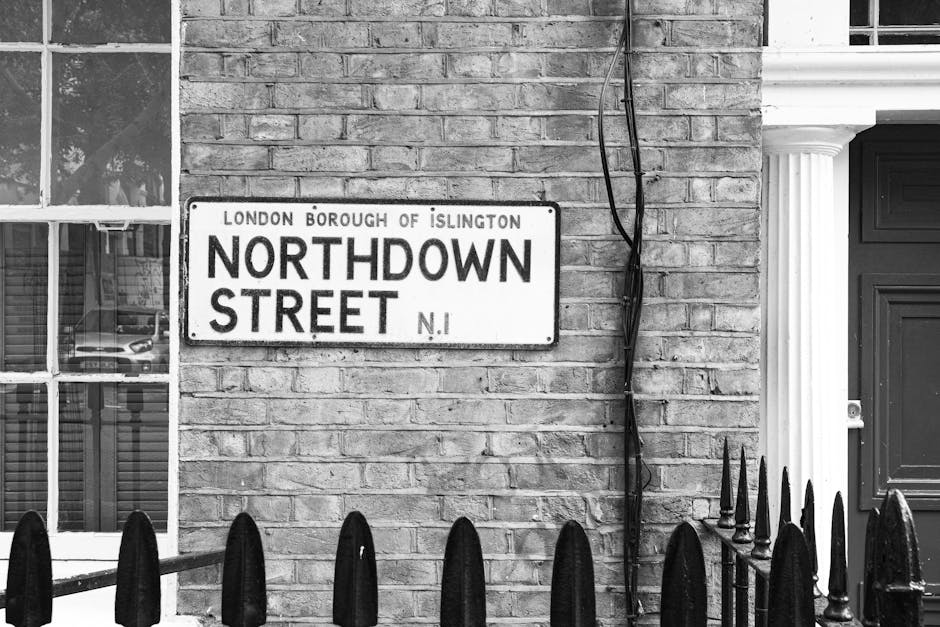
Moving in Islington can feel straightforward right up until the day you realise the van needs space, the street is tight, and someone is already parked exactly where you hoped to stop. That is usually when the permit question lands on the table. If you are looking for clear advice on Islington Council permits for moves: what you need, this guide breaks it down in plain English: when permits may be needed, how they typically work, what can go wrong, and how to plan so moving day does not turn into a frantic parking shuffle.
Truth be told, most moving problems in inner London are not about the boxes. They are about access. A small delay at the kerb can cascade into a long wait, extra handling, and unnecessary stress. So let's get practical.
Why Islington Council permits for moves: what you need matters
In a borough like Islington, parking and access can be the make-or-break part of a move. Narrow streets, permit zones, resident bays, time restrictions, shared access with neighbours, and loading limitations all affect whether your van can stop where you need it to. If the vehicle cannot park close enough, the job often takes longer and becomes harder on everyone involved.
A permit is not just admin for admin's sake. It is a way of reducing the risk of a moving-day headache. For a family house move, that might mean keeping the front door clear so heavy furniture is not carried half a street. For a flat move, it could mean avoiding a situation where the lift booking, loading bay, and parking window all clash at once. That kind of clash happens more often than people think. More often than it should, frankly.
There is also a trust angle here. If you are hiring help, you want to know the move is being handled properly, with local access issues considered before the first box leaves the hallway. That is why experienced movers usually look at permits, van access, and timing together rather than as separate tasks. It is all part of a smoother move. For planning support, many people also review home moves or house removals options early, especially if the property is in a busy street or near shared parking.
How Islington Council permits for moves: what you need works
While every move is different, the basic idea is simple: if your moving vehicle needs to stop, wait, load, or unload in an area controlled by local parking rules, you may need permission. That permission might involve a parking suspension, a loading arrangement, or another form of council-managed access depending on the street and the type of bay or restriction in place.
The important thing is that the permit question is not only about the move itself. It is about the road, the exact location, the size of the vehicle, and the duration of the stop. A small removal van may have different access needs from a larger moving truck, and the plan should reflect that. One-size-fits-all rarely works in central or inner London streets.
In practice, the process usually follows a few common stages:
- Check the street and parking restrictions at both the old and new address.
- Work out whether the vehicle can stop legally close to the property.
- Allow enough time for loading, not just for the drive between addresses.
- Build in a buffer in case the van arrives to find the bay occupied or restricted.
If you are moving a flat, you may also need to think about lift access, stairs, and building rules at the same time. That is why flat removals in London often need more planning than people expect. A quick walk-through before move day can save a surprising amount of trouble.
Key benefits and practical advantages
Getting the permit side right brings a few obvious wins, and a few quieter ones too.
- Less risk of delay: the van can stop where it is supposed to stop.
- Less carrying distance: fewer steps from door to vehicle means less strain and less time.
- Lower stress on the day: the team can focus on the move instead of hunting for a legal space.
- Cleaner coordination: the schedule fits better with building access, lift bookings, and keys.
- Reduced chance of penalties or disruption: no one wants a moving day interrupted by parking enforcement.
There is also a quality-of-service angle. A move that is planned around access tends to feel calmer. Boxes go out in order. Heavy items are not dragged unnecessarily. And yes, the kettle is more likely to be found when you need it. Small victory, but a real one.
For bigger or more complex jobs, planning parking permissions alongside removal services or a dedicated team for removals can make the whole process more predictable.
Who this is for and when it makes sense
Not every move in Islington needs the same level of permit planning, but a lot more situations need it than people expect. If your van is stopping on a restricted street, in a resident bay, near yellow lines, or in a loading area with time restrictions, you should assume access needs checking carefully.
This is especially relevant if you are:
- moving from or into a flat with limited street access;
- using a larger van or lorry;
- moving at a busy time of day;
- handling a commercial relocation with equipment and multiple loads;
- arranging a last-minute move where timings are tight;
- moving student accommodation with narrow entry points and shared roads.
If that sounds familiar, you are not alone. A lot of people only think about permit issues after they have already booked the van. To be fair, that is understandable. Moving is already a lot. But if you are doing a local move in a dense area, it is worth checking early. For students in particular, student removals often need extra attention because of deadlines, shared housing, and limited parking near large blocks.
Commercial moves are a slightly different story. They may involve loading equipment, multiple staff, and a tighter handover window. In that case, take a look at commercial moves and plan the access detail as carefully as the inventory.
Step-by-step guidance
If you want a practical way to think about permits for a move in Islington, use this sequence. It keeps the process from feeling vague, which is half the battle.
- Confirm both addresses. The start point and destination can each have different restrictions. Do not assume they work the same way.
- Check the street layout. Look at whether there is usable kerb space, a bay, a loading area, or nearby obstructions.
- Match the vehicle to the location. A smaller van may suit a tight street better than a larger truck. If in doubt, speak to the mover early.
- Estimate loading time properly. A one-bedroom flat with no lift is not the same as a ground-floor studio. Obviously, but it is easy to forget when you are rushing.
- Build in a buffer. Delays happen. Someone is in the bay. A key is late. The lift is stuck on another floor. Yes, really.
- Keep documents and timings together. If a permit or parking arrangement is needed, store the details where everyone can access them quickly on move day.
If packing is not fully under control yet, pairing permit planning with packing and boxes or packing and unpacking services can remove a lot of last-minute pressure. It sounds basic, but organised packing makes access planning far easier because the move becomes more predictable.
Expert tips for better results
Here is the sort of advice that tends to help in the real world, not just on paper.
First, plan for the worst street position, not the best one. If the ideal bay is occupied, can the van still stop safely nearby? That question is worth asking before move day. In London, the "perfect" spot often disappears five minutes after you picture it.
Second, think about timing in blocks, not minutes. A move might be scheduled for the morning, but the road could be busier than expected, or the lift access may be slower than planned. If you can, avoid squeezing everything into a very narrow window.
Third, tell your mover about obstacles early. This includes narrow staircases, basement entrances, shared courtyards, low bridges, estate restrictions, or awkward corners. An experienced crew can only plan properly if they know what they are walking into.
Fourth, keep essentials separate. If permits and keys are sorted but your tea bags are buried in box 27, well, the morning still starts badly. Leave a small essentials box with documents, chargers, snacks, and basic tools.
Fifth, confirm what the vehicle needs. A man with a van job may need less road space than a full-scale lorry booking, but it still needs the right access. Smaller does not automatically mean simple.
And one more thing. If your move involves bulky items like upright instruments or awkward furniture, think beyond parking. Planning for handling matters too. Services such as piano removals or furniture removals often depend on having a legal, close loading point. That is where the permit conversation becomes really practical.
Common mistakes to avoid
Most permit-related issues during a move come from a few repeat mistakes. Easy to make. Annoying to fix.
- Leaving access checks until the day before. By then, your options may be limited.
- Assuming one address is enough. Both ends of the move matter.
- Choosing a vehicle before checking the street. It should be the other way around, or at least checked together.
- Forgetting building rules. Council access and building access are not the same thing.
- Underestimating load time. That is a classic. The sofa is always heavier when you are late.
- Not communicating changes. If your completion time changes, tell everyone involved immediately.
Another mistake is treating the permit as a box-ticking exercise rather than part of the moving strategy. In reality, it affects the shape of the whole day. That is especially true for London flats, where house removals and smaller residential moves can still be surprisingly access-heavy because of the streets around them.
Tools, resources and recommendations
You do not need a cupboard full of equipment to manage permit planning well. A few simple tools make the process much easier.
- A note of both full addresses so you can compare access at each end.
- A measuring tape or rough vehicle length estimate to judge whether the road space is realistic.
- A moving-day checklist with keys, parking details, contact numbers, and timing windows.
- Photos of the street or entrance if you need to show your mover the location in advance.
- Clear labelling on boxes so unloading is faster and more orderly.
If you want to reduce last-minute chaos, using a broader moving service can help. For instance, man and van support suits smaller jobs, while removal companies are often better for larger or more structured moves. If you are not sure which way to go, compare the scope of the job first, not just the headline price.
Storage can also be useful if access timing becomes messy, the keys are delayed, or you need to split the move over two days. In those situations, storage gives you breathing room. Not glamorous, but very handy.
Law, compliance, standards, or best practice
When people ask about council permits, they often mean "what do I legally have to do?" The safest answer is: follow the local parking and loading rules that apply to the street, and make sure any vehicle stopping there is permitted to do so. The details can vary by road, bay type, and timing, so checking the specific location matters more than relying on assumptions.
From a best-practice point of view, moving companies should plan access responsibly, avoid unlawful stopping, and factor in realistic loading time. That is not just courteous; it helps prevent avoidable disruption and keeps the move safer. A van parked badly can create problems for pedestrians, neighbours, and the moving team itself.
It is also sensible to keep insurance and safety in mind. A proper mover should be able to explain how they handle access risks, lifting, transit protection, and property care. If that conversation feels vague, it is fair to ask more questions. A good provider will not mind. In fact, they should welcome it. You can review related information on insurance and safety and the company's health and safety policy if you want a better sense of working standards.
For larger bookings, it is also wise to check terms and conditions and pricing and quotes so you understand what is included, what is assumed, and what might change if access is harder than expected.
Options, methods, or comparison table
Different moves call for different levels of planning. Here is a straightforward comparison to help you judge what fits.
| Approach | Best for | Pros | Things to watch |
|---|---|---|---|
| Small van with simple access | Light moves, a few rooms, easy street parking | Flexible, usually quicker to position, less handling | Still needs legal stopping space and enough time |
| Full removal vehicle | Larger homes, multiple rooms, bulky furniture | More efficient for bigger loads, fewer trips | May need tighter permit and access planning |
| Professional removal service with packing support | Busy households, families, complex schedules | Less stress, better coordination, often more reliable flow | Needs earlier booking and clearer instructions |
| Move plus storage | Key delays, staggered handovers, uncertain completion times | Builds flexibility into the plan | Extra handling stage to coordinate |
There is no "perfect" option for everyone. A small top-floor flat near a busy road may need more access planning than a larger house with a driveway. That is why it helps to compare the move you actually have, not the move you wish you had.
Case study or real-world example
Here is a realistic example from a typical London moving situation.
A couple moves from a second-floor flat in Islington to a new place a few streets away. The old property is on a narrow residential road with limited waiting space. The new building has a busy front entrance, and deliveries often block the curb around mid-morning. At first, they assume a standard van booking will be fine. Then they check the layout, realise the bay nearest the entrance is likely to be occupied, and adjust the plan before move day.
What changed? Not much on paper. But in practice, everything improved:
- they chose a vehicle that matched the street better;
- they allowed a longer loading window;
- they kept their essentials separate;
- they spoke to the movers about access on both sides;
- they avoided a last-minute scramble for parking.
The move still had the usual noise and bustle. A door slammed, someone mislaid a tape measure, and the last chair took longer than expected. But the day stayed under control. That is usually what good permit planning does: it does not make moving lovely, let's be honest, but it makes it manageable.
For jobs like this, pairing access planning with a service such as man with a van or a broader removal services package can keep the whole thing more efficient.
Practical checklist
Use this quick checklist before moving day. It is simple, but it catches a lot of common issues.
- Confirm the move date and expected arrival window.
- Check parking and access at both addresses.
- Decide whether a van or larger vehicle is most suitable.
- Ask whether a permit, suspension, or special access arrangement is needed.
- Review building rules for lifts, loading bays, or concierge access.
- Label boxes clearly and keep essentials separate.
- Share access notes, contact details, and timing updates with everyone involved.
- Prepare for delays with a little time buffer.
- Keep important documents and keys somewhere easy to reach.
- Have a backup plan if the closest stopping point is unavailable.
If you are still at the planning stage, this is also a good time to look at packing and unpacking services or home moves support so the permit side and the packing side are handled together. That combination often saves the most time.
Get a free quote today and see how much you can save.
Conclusion
Islington Council permits for moves are really about one thing: making sure your moving vehicle can do its job without creating avoidable problems. If you check access early, match the vehicle to the street, and plan both ends of the move properly, you will avoid most of the usual traps.
That does not mean every move goes perfectly. A resident bay may still be full. A lift may still be slow. Someone may still leave a mystery trolley in the way. But with the right planning, those issues become manageable rather than chaotic. And that, in a busy London move, is a genuine win.
Take the time to get the permit and access side right. Future-you will be very grateful, probably with a strong cup of tea in hand.
Frequently Asked Questions
Do I need a permit for a house move in Islington?
Sometimes, yes. It depends on where the vehicle needs to stop, the street restrictions, and how long loading or unloading will take. If the van will be parking in a controlled bay or a restricted area, it is wise to check the rules in advance rather than assume it will be fine.
Who is responsible for arranging the permit?
That depends on the setup. Some people handle it themselves, while others ask their removal provider to guide them through the process. The key is not who presses the buttons; it is making sure the access plan is correct before move day.
How far in advance should I sort this out?
As early as possible. In busy London streets, leaving it until the last minute can limit your options. Even if your move date is not fixed yet, it helps to check the likely access issues early so you know what you are dealing with.
Does a small van still need permit planning?
Yes, it can. A smaller vehicle may be easier to position, but it still needs legal stopping space. A tight street does not magically become simple just because the van is smaller. Nice idea, though.
What if my new home is a flat with no driveway?
Then access planning becomes even more important. Flats often involve shared roads, loading restrictions, lifts, and tight entry points. It is sensible to look at flat-specific moving arrangements and consider a service like flat removals if you want a more coordinated approach.
Can a permit help avoid parking fines?
It can reduce the risk, yes, because it gives you a proper plan for where the vehicle is allowed to stop. That said, you still need to follow the conditions carefully and make sure the vehicle does what the permit or access arrangement allows.
What happens if the loading bay is already occupied?
This is why a buffer matters. A good moving plan includes a fallback option, whether that is a nearby stopping place, a later start, or a different vehicle approach. It is one of those things that feels minor until it happens in front of you.
Do office moves need the same kind of planning?
Yes, and often more. Office relocations can involve equipment, multiple trips, and time-sensitive handovers. For that reason, businesses often treat parking and access as part of the relocation strategy, not a side note. Office removals can be particularly useful when the schedule is tight.
Is it better to use a removals company or a man and van service?
It depends on the size and complexity of the move. A smaller job may suit man and van support, while larger or more complicated moves may be better handled by full removal companies. The real question is which option fits the access needs, volume, and timing of your move.
What are the most common mistakes people make with move permits?
The big ones are leaving it too late, checking only one address, underestimating loading time, and forgetting that building rules can be different from road rules. Those four catch people out all the time.
Can storage help if my move date changes?
Absolutely. If keys are delayed or the handover does not line up neatly, storage can keep the move from becoming a scramble. It is a practical backup when timing is uncertain and you still need to stay organised.
How do I make moving day feel less stressful?
Keep the plan simple, label everything clearly, check access early, and give yourself more time than you think you need. That last one is surprisingly effective. A little slack in the schedule makes a huge difference when the street is busy and everyone is carrying something heavy.