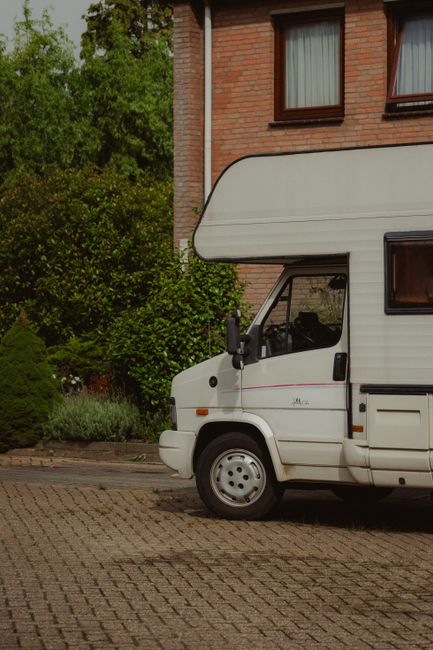
Caledonian Road removals van size guide for Pentonville homes
If you are trying to work out the right vehicle for a move, a Caledonian Road removals van size guide for Pentonville homes can save you a lot of stress. In this part of North London, the tricky bit is rarely the packing alone. It is the stairwells, parking, tight turns, low kerbs, awkward loading bays, and the quiet question of whether everything will actually fit in one go.
This guide breaks down van sizes in plain English and shows how to match the vehicle to your property, your furniture, and the local access conditions around Pentonville. You will also find practical advice on planning, compliance, and avoiding the classic mistake of booking a van that is just a bit too small. Truth be told, that mistake is more common than people think.
Whether you are moving from a compact flat, a larger family home, or somewhere in between, the aim here is simple: help you choose the right removals van without overpaying or underestimating the job.
Table of Contents
- Why the van size choice matters in Pentonville
- How the size guide works
- Key benefits and practical advantages
- Who this guide is for
- Step-by-step guidance
- Expert tips for better results
- Common mistakes to avoid
- Tools, resources and recommendations
- Law, compliance, standards, or best practice
- Options, methods, or comparison table
- Case study or real-world example
- Practical checklist
- Conclusion
- Frequently asked questions
Why Caledonian Road removals van size guide for Pentonville homes Matters
Van size sounds like a small detail until moving day arrives and the furniture is standing on the pavement, the driver is checking the clock, and your sofa is still wedged in a hallway. In Pentonville, where homes can range from period conversions to modern flats and compact terraces, size matters because access is often as important as capacity.
Caledonian Road and the surrounding streets can be busy, and local moves often have to work around limited stopping space, narrow staircases, awkward entries, and neighbours who would quite like to keep their entrance clear. That means the best van is not always the biggest van. Sometimes a smaller, better-placed vehicle is the smarter choice.
A good removals van size guide helps you avoid three common problems:
- Booking too small and needing multiple trips.
- Booking too large and struggling with access or unnecessary cost.
- Forgetting how much space is lost to bulky items, boxes, and awkward furniture shapes.
In practical terms, the right van keeps the move calmer. Less shuttling. Less waiting. Fewer bruised corners on wardrobes and walls. And usually, a better day all round.
How Caledonian Road removals van size guide for Pentonville homes Works
The guide works by matching three things: property size, load type, and access conditions. That is the real formula. A one-bedroom flat with lots of books and a heavy sofa may need more space than a lighter two-bedroom home with minimalist furniture. Moving is funny like that.
To estimate the right van, you look at:
- Volume - how much stuff you have overall.
- Item shape - wardrobes, mattresses, mirrors, and white goods create awkward gaps.
- Access - stairs, lifts, parking distance, and turning space all influence loading time and practicality.
- Move distance - if you are making repeated trips, even a short journey can become expensive in time and fuel.
Most local removals jobs fall into a handful of vehicle types. A compact van suits small loads and single-room moves. A medium van is often the sweet spot for one-bedroom or light two-bedroom moves. A Luton-style removals van is typically used for larger home moves, bulkier items, or full-property removals where stacking height matters.
One useful way to think about it: the van is not just a container. It is part of the access plan. If the street is tight or parking is awkward, a slightly smaller van that can stop closer to the property may be more efficient than a larger one that forces a longer carry. That little detail can change the whole experience.
Key Benefits and Practical Advantages
The right van size gives you more than just enough room. It improves the move from start to finish.
- Better loading efficiency - items fit logically, so less time is spent reshuffling boxes like a game of furniture Tetris.
- Lower risk of damage - a well-sized van allows safer stacking and better protection for fragile items.
- Reduced stress - you are less likely to panic because everything has a place.
- Smarter cost control - you avoid paying for unnecessary capacity or extra trips.
- Improved local manoeuvrability - important around Caledonian Road, where access can be tight and parking limited.
There is also a subtle but important benefit: better timing. When a van is properly matched to the job, loading and unloading tend to run more smoothly. That matters if you are on a schedule, dealing with a landlord handover, or moving with children in tow. Nobody wants to be carrying boxes while the afternoon light is already fading and the kettle is still packed away somewhere.
For anyone comparing local moving options, van size also helps you make more informed decisions when looking at broader removals services. If you understand what you need, it is much easier to judge whether a quote is realistic or padded out with unnecessary vehicle capacity.
Who This Is For and When It Makes Sense
This guide is useful if you live in Pentonville or nearby and you are trying to work out the most sensible removals setup for your home. It is especially relevant if you are:
- moving from a studio or one-bedroom flat;
- relocating from a larger flat with shared stair access;
- moving a few rooms' worth of furniture rather than a whole house;
- dealing with fragile, bulky, or oddly shaped items;
- planning a move near Caledonian Road where parking and access need thought;
- comparing man and van options against larger removal vehicles;
- trying to avoid booking a van that is much bigger than necessary.
It also makes sense for people who are not moving a full household but still need reliable transport for large items, such as bed frames, wardrobes, appliances, or several packed boxes. If that sounds familiar, you are in good company. A lot of local moves are somewhere between a small van job and a full-scale house removal.
And yes, sometimes people think, "Surely I can cram it all in?" Then the mattress is on the roof of the mental plan, and the plan starts wobbling. Better to size up properly first.
Step-by-Step Guidance
Here is a straightforward way to choose the right van size for a Pentonville move.
- List the large items first. Write down beds, wardrobes, sofas, tables, desks, appliances, and anything awkward like mirrors or bikes.
- Count the boxes honestly. Not the dream version. The real version. Include books, kitchen items, clothes, and anything still in storage tubs.
- Measure the biggest furniture. Door widths, stair turns, and lift dimensions matter more than people expect.
- Check access at both addresses. Is there street parking? Will the vehicle need to stop away from the door? Is there a narrow hallway or tight stairwell?
- Decide whether one trip is realistic. If the load is marginal, factor in time, labour, and the chance of multiple runs.
- Match your load to a vehicle type. Small van for compact loads, medium van for typical flat moves, larger removals van for fuller homes or bulky furniture.
- Build in a little breathing room. A van filled to the ceiling on paper can still feel too tight in real life once blankets and fragile items are added.
As a rule of thumb, aim for the van size that gives you a little margin, not a lot of empty air. There is no prize for hiring the largest vehicle on the street.
If your move includes multiple heavy items or you are not sure whether access will be straightforward, it can also help to compare the situation against a typical removal van setup rather than assuming a standard car-sized van will do the job.
Simple van size guide for common Pentonville home moves
| Home type | Likely van size | Best for | Notes |
|---|---|---|---|
| Studio flat | Small van | Boxes, small furniture, light appliances | Works well if access is easy and furniture is modest |
| 1-bedroom flat | Small to medium van | Bed, sofa, several boxes, table, chairs | Medium van is often safer if items are bulky |
| 2-bedroom flat | Medium to large van | Full flat contents, white goods, wardrobes | Stair access and parking can tip the decision either way |
| Small house | Larger removals van | Multiple rooms, larger furniture, mixed load | Best when you want fewer trips and faster unloading |
This is only a guide, of course. Two homes with the same number of rooms can produce very different loads. One person owns a sofa, a bike, and a handful of boxes. Another has a library, two desks, a freezer, and enough crockery to stock a cafe. Same rooms. Very different van.
Expert Tips for Better Results
A few practical habits make the whole move smoother. Nothing fancy. Just the stuff that tends to matter on the day.
- Measure awkward items early. Wardrobes and sofas are the usual troublemakers.
- Use proper packing materials. Boxes that collapse halfway through a stair climb are nobody's friend.
- Keep essentials separate. Kettle, phone charger, documents, medication, and a change of clothes should not disappear into the van pile.
- Label by room, not just by contents. It makes unloading much quicker.
- Protect floors and doors where needed. This matters in rented homes and shared buildings especially.
- Leave a little spare time for parking. In busy local streets, a vehicle can be ready before the loading area is ready. Annoying, but common.
One small but valuable tip: stack by weight and shape, not by speed. Heavy boxes low, fragile items secure, soft items used to fill gaps. It takes a bit longer at first, but it pays back when you are carrying everything downstairs and the van floor is not a hazard zone.
If you are moving a bed or mattress, planning ahead helps a lot. The guide on bed and mattress movement is useful if that item alone is making you rethink the whole vehicle choice. And it often does.
Common Mistakes to Avoid
Most moving headaches are predictable. That is the good news. The not-so-good news is people still make them.
- Choosing by room count alone. A two-bedroom flat can move like a large one or a small one, depending on the contents.
- Ignoring access restrictions. A van that fits the inventory may still be awkward if it cannot park close enough.
- Forgetting bulky items. Sofas, wardrobes, dining tables, and freezers take up far more usable space than their dimensions suggest.
- Packing too loosely. Loose boxes create wasted space and more shifting during transit.
- Overestimating what one person can lift safely. Heavy lifting is where small mistakes turn into big delays.
- Assuming short-distance moves need less planning. A short move can still be messy if the van is wrong for the job.
Another one that catches people out: not checking building rules or parking expectations early enough. If you are moving from a block with a shared entrance, it is worth thinking through timing and access before the van arrives. A bit of preparation saves a lot of awkward apologising to neighbours.
Tools, Resources and Recommendations
You do not need a toolbox full of specialist kit, but a few simple things make van planning easier and safer.
- Measuring tape for furniture, hallways, and door frames.
- Inventory list for major items and box counts.
- Marker pens and labels for clear room-by-room organisation.
- Furniture blankets and straps to keep items secure during transit.
- Sturdy gloves and trolley if you are moving heavier boxes or appliances.
On the information side, local blog resources can be surprisingly helpful. If you are moving near the station or dealing with nearby streets, this local planning guide for moves near King's Cross Station and the article on narrow streets and parking around Pentonville Road give a clearer picture of what to expect on the ground.
For people comparing service levels, it can also help to look at the broader range of removal services available so you know whether you need basic transport, loading help, or a more complete moving package. And if you are only shifting a few large items, a dedicated moving van may be all you need.
Law, Compliance, Standards, or Best Practice
Moving home in London can involve practical rules rather than dramatic legal drama, but those practical rules still matter. Parking restrictions, loading limits, estate access arrangements, and building requirements can all affect which van size is suitable and how the move is carried out.
Best practice usually includes:
- checking parking and loading access in advance;
- using safe lifting methods for heavy items;
- making sure the vehicle is insured appropriately for the work;
- protecting common areas in flats and managed buildings;
- keeping pathways clear for residents and visitors;
- handling goods carefully to reduce breakage and damage.
If you are moving from a property with stairs or limited access, safety becomes even more important. A van that forces rushed carrying or repeated trips can increase the chance of strain or accidents. For that reason, choosing the right size is not just about convenience. It is a safety decision too.
It is also sensible to understand a company's approach to insurance and handling. The details may vary, but reputable operators should be able to explain their process clearly. If you want a better sense of that side of things, see the company's insurance and safety information and their health and safety policy.
For larger or commercial moves, planning becomes even more important. A bigger load, tighter time window, or office contents can bring extra considerations, so it is worth reading the guidance on commercial moves if your move is not a simple home removal.
Options, Methods, or Comparison Table
Here is a simple comparison to help you weigh up the common vehicle choices for Pentonville home moves.
| Vehicle option | Best for | Advantages | Limitations |
|---|---|---|---|
| Small van | Studio flats, a few items, quick local jobs | Easy to park, nimble on narrow streets | Limited space, often not enough for bulky furniture |
| Medium van | One-bedroom moves, mixed loads, moderate furniture | Balanced size, often the best all-round choice | May still need careful packing for larger pieces |
| Larger removals van | Two-bedroom flats, fuller homes, more furniture | Fewer trips, better for larger loads | Can be harder to position in tight streets |
| Multiple smaller trips | Light moves with flexible timing | Can work if access is limited | More time, more labour, more chance of fatigue |
For most Pentonville homes, the decision is usually between a medium van and a larger removals van. The smallest option can work brilliantly for light loads, but if you have a sofa, bed, wardrobe, several boxes, and a few awkward extras, you may be better off stepping up a size. Slightly more capacity often saves more hassle than it costs.
Case Study or Real-World Example
Here is a realistic local scenario. A couple moving from a one-bedroom flat near Caledonian Road thought they could manage with a compact van because the journey to the new place was short. The issue was not distance. It was volume. They had a bed base, mattress, sofa, desk, dining table, four chairs, a bookcase, and around thirty boxes. Nothing outrageous, but enough to fill a van quickly.
Once they measured the biggest items and considered the stair turn at the new property, the plan changed. A medium van became the smarter choice. That meant one proper loading run instead of trying to stack too aggressively or make a second journey later in the day.
They also discovered something else that local movers see all the time: the simplest-looking move can become awkward if the van arrives too full to load efficiently. The extra space allowed blankets between furniture, better weight distribution, and a calmer unload at the destination. No drama. No panic. Just a more manageable day.
That is the real lesson. The right van is not only about fitting everything inside. It is about making the move feel controlled rather than chaotic.
Practical Checklist
Use this checklist before booking your removals vehicle.
- Have I listed every major item?
- Have I counted boxes realistically?
- Do I know the dimensions of my largest furniture?
- Have I checked stair access, lift size, and hallway width?
- Is parking available close enough for loading?
- Will I need help with heavy lifting?
- Do I need blankets, straps, or a trolley?
- Have I planned for fragile or awkward items separately?
- Is one trip likely to be enough?
- Have I compared van size against the actual load, not just the number of rooms?
If you can tick most of those boxes, you are already ahead of many moving day disasters. And honestly, that is half the battle.
For extra preparation, it can help to read about decluttering before a move and packing properly for a hassle-free house move. Small changes there can reduce the van size you actually need. Sometimes quite a lot.
Conclusion
Choosing the right van for a Pentonville move is really about matching your home, your access, and your furniture to the vehicle that can handle the job without fuss. A thoughtful Caledonian Road removals van size guide for Pentonville homes should help you avoid overbooking, underbooking, and the tired scramble that happens when a move is planned on guesswork alone.
Start with the large items, measure carefully, think about the streets and staircases, and give yourself a small margin. That is usually the sweet spot. Not too small. Not needlessly huge. Just practical.
If your move feels borderline, that is a good sign to get a proper quote and talk through the access details rather than hoping for the best. Moves in this area reward good planning. They really do.
Get a free quote today and see how much you can save.
And if you are still standing in the hallway wondering whether the wardrobe will fit, take a breath. It usually works out better with one calm plan than three rushed ones.
Frequently Asked Questions
What size van do I need for a Pentonville flat move?
That depends on the size of the flat, the amount of furniture, and how easy the access is. A studio may only need a small van, while a typical one-bedroom flat often suits a medium van. If you have bulky furniture or several appliances, it is safer to size up.
Is a small van ever enough for a Caledonian Road move?
Yes, for lighter moves. A small van can work well for a studio flat, a few boxes, or a handful of items. The trouble starts when people underestimate furniture volume or forget about stair access and awkward items.
Why does access matter so much in Pentonville?
Because local streets, parking space, and building layouts can affect how close a van can get to the property. A van with enough capacity is useful, but if it cannot stop near the entrance, the move becomes slower and harder.
Should I book a bigger van just in case?
Sometimes, yes. If your load is borderline, a slightly bigger vehicle can save time and reduce the risk of multiple trips. The key is not to overdo it. You want enough room, not a half-empty truck for a small flat.
How do I estimate the van size from my furniture list?
List the largest items first, then add the number of boxes. If the load includes a bed, sofa, wardrobe, dining table, or white goods, you are probably beyond the smallest van category. Measuring the biggest pieces gives a far better answer than room count alone.
Are removal vans better than a regular moving van for home moves?
For fuller homes or bulky furniture, yes. A proper removals van is usually more suitable because it offers more usable space and is designed for loading household items. For lighter jobs, a standard moving van may be enough.
What happens if the van is too small on the day?
You may need extra trips, which can add time, cost, and stress. In some cases, items may not fit safely at all. That is why a careful inventory and access check matter before the booking is confirmed.
Do I need special equipment for moving heavy items?
Often, yes. A trolley, straps, blankets, and decent gloves can make the move safer and easier. Heavy or awkward items like wardrobes, freezers, and mattresses benefit from proper handling rather than improvisation.
How can I avoid hidden problems with a local removals quote?
Be clear about item count, access, and parking conditions. If the company knows the real situation, the quote is more likely to reflect the actual job. It also helps to compare what is included, not just the headline price.
Do I need to think about compliance or insurance for a home move?
Yes. It is sensible to check that the vehicle and service are covered appropriately and that safe loading practices are followed. For flats and shared buildings, access rules and common-area care matter too. A reputable mover should be able to explain this plainly.
Can I use this guide for same-day removals?
Absolutely. In fact, same-day moves benefit even more from correct van sizing because there is less time to fix mistakes. If the schedule is tight, getting the size right upfront is one of the easiest ways to reduce pressure.
What is the best next step if I am still unsure?
Make a simple inventory, measure your biggest items, and compare that against the access at both addresses. If you are still torn between two van sizes, the safer option is usually the one that gives you a little more room without causing parking problems.