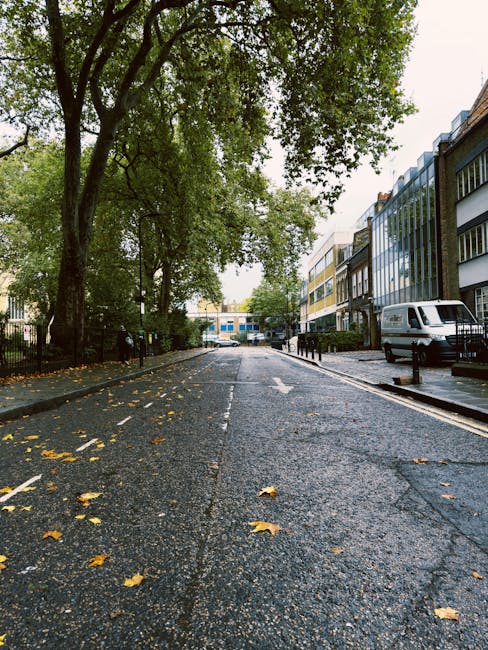
Caledonian Road & N1 removals: access and van sizes
If you are planning a move around Caledonian Road or anywhere in N1, the two things that usually make or break the day are access and van size. Not the boxes. Not even the lifting, to be fair. It is the awkward front step, the tight stairwell, the parked cars outside, the one-way street, and the moment you realise the sofa is not as cooperative as you thought. This guide to Caledonian Road & N1 removals: access and van sizes breaks down what matters, how to judge the right vehicle, and how to avoid those annoying delays that turn a sensible move into a slow one.
You will find practical advice on street access, property types, parking realities, vehicle options, and the small checks that save time on moving day. If you want a smoother move, a better van match, and fewer surprises outside your door, you are in the right place.
Why Caledonian Road & N1 removals: access and van sizes Matters
Caledonian Road sits in a part of London where moving day often has to work around real-world constraints: narrow stretches, busy kerb space, flats above shops, basement entrances, shared courtyards, and the usual London mix of residents, deliveries, and passing traffic. In N1, that often means the actual removal job is less about pure lifting and more about planning the route from front door to van.
The right van size matters because a vehicle that is too small means extra trips. A vehicle that is too large can create parking headaches, block access, or simply fail to get as close as you need. And access matters because even a small property can be awkward if the stairs are tight, the pavement is narrow, or there is no sensible loading bay nearby.
It sounds obvious, but people still underestimate it. They think, we only have a one-bedroom flat, and then the move reveals a wardrobe with a mind of its own, a fridge-freezer that needs careful handling, and a road outside that is busy by 8:15 in the morning. That is why local knowledge counts.
For a broader look at the services behind this kind of move, you can also review the company's removal services overview and the more specific man with a van service in Pentonville.
How Caledonian Road & N1 removals: access and van sizes Works
A good removal plan starts with a simple question: how close can the van realistically get to the property? Everything else flows from that.
In practice, the process usually looks like this:
- Check the property type. A ground-floor flat, a top-floor walk-up, a maisonette, or an office unit all create different loading patterns.
- Review street access. Look at road width, parking restrictions, single yellow lines, resident bays, and whether the van can stop safely without causing a bottleneck.
- Estimate item volume. Think in terms of furniture, boxes, white goods, and awkward items rather than bedroom count alone.
- Match the van to the job. Smaller moves may suit a compact van; larger flats or full house moves may need a bigger removal van.
- Plan loading order. Heavy or bulky items go in first, fragile items later, and everything should be secured so it does not shift on short London journeys.
A lot of people assume van size is only about volume. It is not. The shape of the load matters too. A small number of long items like beds, tables, or wardrobes can require a different vehicle layout than a box-heavy move of the same approximate size. Truth be told, removals are a bit like Tetris, except the pieces are heavier and the stakes are real.
If you are still gathering and packing, the article on packing like a pro for a hassle-free house move is a useful companion read. And if decluttering is part of your plan, this guide to decluttering before a move can make the whole job easier.
Key Benefits and Practical Advantages
Getting access and van sizing right is not just about convenience. It changes the whole tone of the move.
- Fewer trips: A correctly sized van reduces back-and-forth, which saves time and energy.
- Less risk of damage: Better loading space usually means safer stacking and fewer awkward handling moments.
- More predictable timings: If the van can park close by, the job moves faster and with less stop-start disruption.
- Lower stress: Nobody enjoys discovering halfway through the morning that the bed base cannot be angled around the stairwell. Nobody.
- Better cost control: Matching the vehicle to the task helps avoid paying for unnecessary capacity or extra time.
There is also a subtle benefit people often overlook: a well-matched van and access plan makes the move feel calmer. The team can focus on safely moving items instead of constantly adjusting the plan on the fly. That matters, especially in busy parts of N1 where the street can change from quiet to chaotic in a matter of minutes.
For larger or more complex household moves, it may be worth comparing this with house removals in Pentonville or, if you are dealing with a smaller property, flat removals support.
Who This Is For and When It Makes Sense
This kind of planning is relevant for more people than you might think.
- Tenants moving out of flats: Especially if you are carrying items down stairs or dealing with a landlord check-out deadline.
- Homeowners in terrace or maisonette properties: Tight front access can make vehicle choice surprisingly important.
- Students and sharers: Smaller loads are often better handled by a compact van or a flexible man and van service.
- Office movers: Desks, chairs, file storage, monitors, and tight building access can all affect the vehicle plan.
- Anyone with bulky furniture: Sofas, beds, wardrobes, pianos, and appliances deserve proper attention.
It also makes sense if your move is time-sensitive. For example, if you have a same-day handover, a building slot, or only a narrow window for loading, access planning becomes non-negotiable. In those cases, you may want to look at same-day removals support rather than trying to improvise on the day.
One small real-world note: people often underestimate how much a single awkward item can influence the whole booking. A piano, American-style fridge, or oversized wardrobe can change the van choice far more than several boxes do. If that sounds familiar, the specialist pages for piano removals and furniture removals are worth a look.
Step-by-Step Guidance
Here is the simplest way to approach a move in Caledonian Road or the wider N1 area without overcomplicating it.
1. Walk the access route before moving day
Start at the front door and trace the path to where the van would park. Look for stairs, tight turns, low ceilings, shared hallways, garden gates, and anything that forces a detour. If you need to carry a sofa around a corner at shoulder height, that is the kind of detail that changes the plan fast.
2. Measure the largest items
You do not need a tape measure for every box. But you do need dimensions for the awkward pieces: mattress, bed frame, wardrobe, fridge, dining table, and anything with fragile legs or handles. Those are the items that decide whether the van is suitable.
3. Estimate how much can be stacked safely
A van may have enough floor space but not enough safe stacking height for delicate loads. That is one reason professional movers think in terms of load shape as well as total volume.
4. Check parking and waiting options
London roads can be unforgiving. If the van cannot wait in front of the property, loading might need to happen in timed bursts. That is normal. It just needs planning.
5. Match the van size to the move
For smaller jobs, a compact or medium van can be ideal. For multi-room moves, larger removal vans are usually more efficient. The right answer depends on access, item mix, and how much you want done in one run.
6. Prepare items for quick loading
Boxes should be sealed and labelled. Furniture should be disassembled where sensible. Loose parts, screws, and cables should be bagged and taped to the item they belong to. Sounds basic, but it saves a lot of faffing about when the van door is open and time is ticking.
7. Confirm the booking details
Double-check addresses, floor level, parking notes, access codes, and any restrictions from the building or landlord. A minute of admin can prevent a very un-fun morning.
Expert Tips for Better Results
Here are the small things that make a surprisingly big difference.
- Be honest about awkward access. If the only route is a narrow staircase with a bend halfway up, say so early. It helps choose the right crew and van.
- Group items by handling difficulty. Put heavy books, kitchenware, and archive boxes together. Put fragile items together. That makes loading more efficient.
- Use the first load wisely. In many moves, the first run is about clearing the biggest obstruction items, not just filling space.
- Protect floors and doorways. Old timber floors, painted walls, and shared hallways can mark easily. A little care goes a long way.
- Keep essentials separate. Tea, kettle, chargers, medication, documents, and a change of clothes should travel where you can find them. Simple, but easy to forget.
A useful rule of thumb: if you think the move will be "straightforward", check it once more. In our experience, the straightforward ones are often the ones that hide the odd surprise. A missing parking space, a broken lift, or a wardrobe that suddenly refuses to turn can change the whole rhythm.
If you are moving a bed or mattress, the dedicated bed and mattress movement guide offers practical handling ideas. And for heavier lifting in general, the article on lifting heavy objects solo is helpful, though honestly, solo lifting is not the plan you want on a busy street.
Common Mistakes to Avoid
Some errors show up again and again on London moves. They are avoidable, which is the frustrating part.
- Choosing the van by guesswork. Guessing from memory often leads to underestimating volume or overestimating access.
- Ignoring the route outside the building. People focus on the room contents and forget the pavement, curb, or gate.
- Not mentioning bulky items early. A piano, large sofa, or oversized appliance can demand different handling.
- Leaving packing to the last minute. Loose items slow everything down and increase the chance of damage.
- Assuming the van can park anywhere. Parking restrictions can turn a neat plan into a messy one very quickly.
- Forgetting about unloading at the destination. The new property may have just as many access quirks as the old one.
One of the easiest mistakes to make is focusing on box count. Ten boxes sound manageable, right? But ten boxes plus a king-size mattress, two bookcases, a freezer, and a corner sofa is a different story altogether. A little obvious, maybe, but it catches people out all the time.
Tools, Resources and Recommendations
You do not need a truckload of specialist kit for every move, but the right tools make loading safer and quicker.
- Removal blankets and straps: Useful for protecting furniture and securing items in transit.
- Sturdy boxes and tape: Strong packaging is boring until a box gives way on the stairs.
- Trolleys or dollies: Helpful for heavier appliances and stacked boxes when access allows.
- Labels and marker pens: Save time at both ends of the move.
- Mattress covers and sofa protection: Especially useful in wet weather or dusty hallways.
For packing supplies and practical preparation, see packing and boxes in Pentonville. If you need somewhere to store items between dates, storage options in Pentonville may bridge the gap neatly.
For specific household items, a few extra resources can save headaches: freezer storage tips and guidance for an unused freezer are both worth a read if you are moving appliances.
Law, Compliance, Standards, or Best Practice
For removals in London, the main compliance issues are usually practical rather than dramatic. You are generally dealing with parking rules, access permissions, building requirements, and safe manual handling. Nothing glamorous. Still very important.
Best practice usually includes the following:
- Respect parking restrictions and loading limitations. If a road has restrictions, the move plan should reflect that.
- Protect shared areas. Communal halls, lifts, and stairwells should be used carefully, especially in flats and converted buildings.
- Use safe lifting methods. Heavy items should be moved with proper technique and enough people.
- Insure and secure items appropriately. Good handling, good wrapping, and sensible loading all reduce risk.
- Communicate access issues clearly. Hidden steps, coded entry, and narrow lanes should never be left as a surprise.
If you want to understand how safety and responsibility are handled, the site's health and safety policy and insurance and safety information are useful references. For customers who want clarity on how bookings are managed, the terms and conditions and payment and security details provide extra peace of mind.
Local access can also be influenced by the building itself. For example, older properties around Caledonian Road may have tight entrances or uneven steps, while newer apartment blocks may have lift rules or specific delivery windows. Neither is a problem if you plan for it. It is only a problem when nobody mentions it.
Options, Methods, or Comparison Table
Choosing the right approach usually comes down to the size of the move, the access conditions, and how much help you want on the day.
| Option | Best for | Access fit | Typical advantage | Watch out for |
|---|---|---|---|---|
| Compact man and van | Small flats, student moves, a few bulky items | Good where parking is tight | Easier to position on busy N1 streets | May need more than one trip for larger loads |
| Medium removal van | One- to two-bedroom moves | Balanced for mixed access conditions | Good capacity without being too cumbersome | Still needs careful parking planning |
| Large removal van | Full house moves, larger furniture, fuller loads | Best when loading space is available | Fewer journeys and better efficiency | Less convenient on especially tight roads |
| Specialist item handling | Pianos, oversized furniture, fragile or valuable items | Depends on the building and internal route | Extra care for difficult items | Requires advance notice and proper planning |
If your move is a relatively simple load from a flat with decent front access, a standard man and van in Pentonville can be the neatest solution. If it is a fuller move with furniture and household goods, a dedicated removal van service may be a better fit.
Case Study or Real-World Example
Imagine a typical move from a first-floor flat off Caledonian Road. The property has a narrow internal staircase, a shared entrance, and a street outside where parking is available only for short windows. The load includes a bed, mattress, two bookcases, a sofa, several boxes, and a small fridge.
At first glance, that sounds manageable. But here is what actually shapes the day:
- The sofa will need a careful turn at the stair landing.
- The fridge should be loaded early and kept upright as much as possible.
- The van cannot be too large if parking space is limited.
- The boxes should be grouped so that one person is not constantly hunting for the next item.
In a real move like this, the best result usually comes from a medium vehicle, a clear loading order, and a team that knows how to work around tight access without making it feel rushed. That is the difference between a move that drifts and a move that just gets done.
For a more local perspective on narrow streets and parking issues, the guide to Pentonville Road moving, narrow streets and parking is highly relevant. The streets may not be identical, but the pattern is very familiar.
Practical Checklist
Use this checklist before moving day. It is simple, but it helps.
- Confirm the full address, floor level, and any building access codes.
- Check whether the van can park close enough for safe loading.
- Measure large furniture and appliances.
- Identify items that need dismantling or extra protection.
- Pack boxes securely and label them by room.
- Keep essential items separate for easy access.
- Tell the mover about stairs, lifts, narrow corridors, or shared entrances.
- Check for any parking restrictions, bay rules, or timed access windows.
- Plan for rain, especially if there is a long carry from the property to the van.
- Have a clear unloading plan at the destination as well.
Quick reminder: the better the information you share upfront, the smoother the move tends to be. Small details matter. A lot.
If you are still comparing service options or want a bit more background on the team, the about us page is a good place to start.
Conclusion
For moves in Caledonian Road and across N1, access and van sizes are not side issues. They are the core of the plan. Once you understand the building layout, the street conditions, and the actual shape of your load, the rest becomes much easier to manage.
That is really the aim here: fewer surprises, less lifting drama, and a move that feels organised rather than improvised. Whether you are moving a flat, a family home, or a small office, the right van and a realistic access plan can save time, protect your belongings, and keep the day moving at a sensible pace.
If you want help choosing the right setup for your move, it is worth speaking to a local team that understands the roads, the parking, and the kind of properties found around Caledonian Road. A calm, well-planned move is still possible in London. Often more possible than people think.
Get a free quote today and see how much you can save.
And if you are at the stage where the boxes are multiplying in the corner and the kettle has already disappeared into storage, take a breath. You are closer than it feels.
Frequently Asked Questions
What van size do I need for a move around Caledonian Road?
It depends on the amount of furniture, the number of boxes, and how easy it is to park near the property. A small flat with limited items may suit a compact van, while a fuller household move often needs a larger removal van.
How do access issues affect removal pricing?
Access can affect timing and vehicle choice, which may influence the overall quote. Long carries, stairs, parking restrictions, or difficult loading points can add complexity, so it is best to describe them clearly when requesting a price.
Is a man and van service enough for a one-bedroom flat in N1?
Often yes, but not always. If the flat has bulky furniture, poor access, or a lot of packed boxes, a larger van or a more full-service removal option may be more efficient.
Can a larger van work better even on narrow London streets?
Sometimes, but only if there is space to park and load safely. A larger van may reduce trips, yet it can also be harder to position on a busy road. The best choice depends on the specific street and the property access.
What should I tell the removal company before moving day?
Share the floor level, stairs, lift access, parking restrictions, large items, any fragile pieces, and whether there are entry codes or timed access windows. The more accurate the information, the smoother the move tends to be.
How far in advance should I book a move in Caledonian Road?
As early as you can, especially if you need a specific date, a weekend slot, or a time-sensitive move. Same-day bookings can sometimes be arranged, but planning ahead usually gives you more flexibility.
What if my sofa or wardrobe will not fit through the stairwell?
That is where advance measurement matters. Items may need to be dismantled, re-angled, or moved with specialist handling. If in doubt, mention it before the move rather than discovering it in the hallway.
Do I need to arrange parking myself?
That depends on the setup and local conditions. In some cases, parking can be managed without special arrangements; in others, it is worth checking restrictions or reserve options. The key thing is not to assume parking will sort itself out.
Are flats in N1 harder to move than houses?
They can be, mainly because of stairs, shared entrances, and tighter communal access. Houses can also be tricky if the street outside is busy or parking is limited. Each property has its own quirks.
How can I make moving day faster?
Pack early, label boxes clearly, dismantle furniture where sensible, and keep access information accurate. A clear load order and a suitable van size also make a big difference.
What happens if I underestimate the amount of stuff I have?
You may need extra time or an additional trip. That is why it helps to walk through each room and count bulky items rather than relying on a quick visual guess. It is a common mistake, honestly.
Where can I get more help with a London move like this?
You can start with the local removals page for Pentonville or get in touch through the contact page to discuss access, vehicle size, and the kind of help you need.